
From Backyard Breezes to Backcountry Bliss: A Family Camping Gear Roadmap

Today we dive into Family Camping Gear Roadmap: From Budget Backyard Setups to Lightweight Backcountry Kits, guiding families through practical steps that start at home and lead confidently onto remote trails. Expect simple checklists, thrifty upgrades, playful kid-friendly tips, and field-tested insights that reduce anxiety and weight while keeping comfort high. Share your questions and favorite hacks as you read, and help other families discover the joy of night skies beyond the porch light.

Backyard Beginnings that Build Confidence

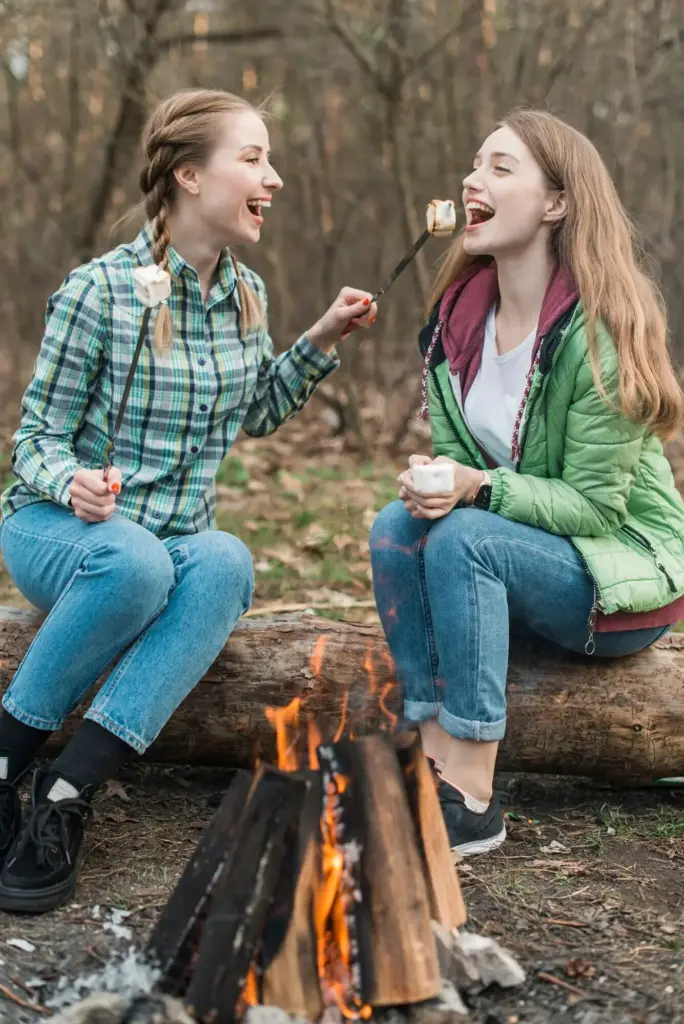
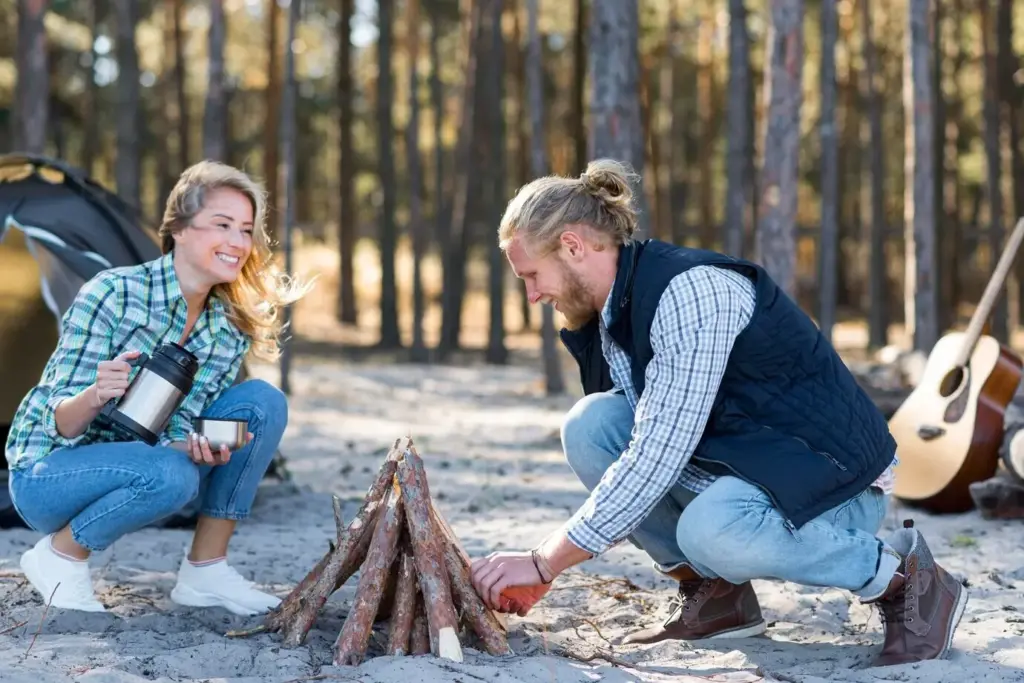
Start close to home where stakes go in soft grass, bathrooms are steps away, and bedtime routines still feel familiar. Backyard overnights let you test gear without pressure, discover what your kids actually use, and learn setup rhythms. Track what worked, fix what didn’t, invite curiosity, and celebrate small victories like the first marshmallow roasted without burning. Leave a comment with your first-night revelations to help other families start confidently.

Shelter You Can Pitch Before Sunset

Choose a simple, freestanding dome or an easy pop-up to remove the fear of first setup. Practice in daylight, label poles with painter’s tape, and teach kids how to read wind and door orientation. Keep a mallet, spare stakes, and a cheap plastic groundsheet handy. After your trial run, note what felt slow or confusing, then repeat another evening. Familiarity makes excitement grow and reduces the chance of bedtime meltdowns.

Sleep Systems Kids Actually Like

Comfort wins. Start with closed-cell foam pads under inexpensive inflatable mats, rectangular bags that unzip like blankets, and a small pillow from home for reassurance. Let kids wear cozy base layers and socks to bed, and keep a dedicated “night bag” of stories, headlamps, and a favorite soft hat. Record wake-ups and cold spots, then tweak before the next night. Share your best kid-comfort tip so other families sleep better too.

Car Camp Comfort: Smart Upgrades Without the Bulk

A Kitchen That Packs Small and Cooks Big

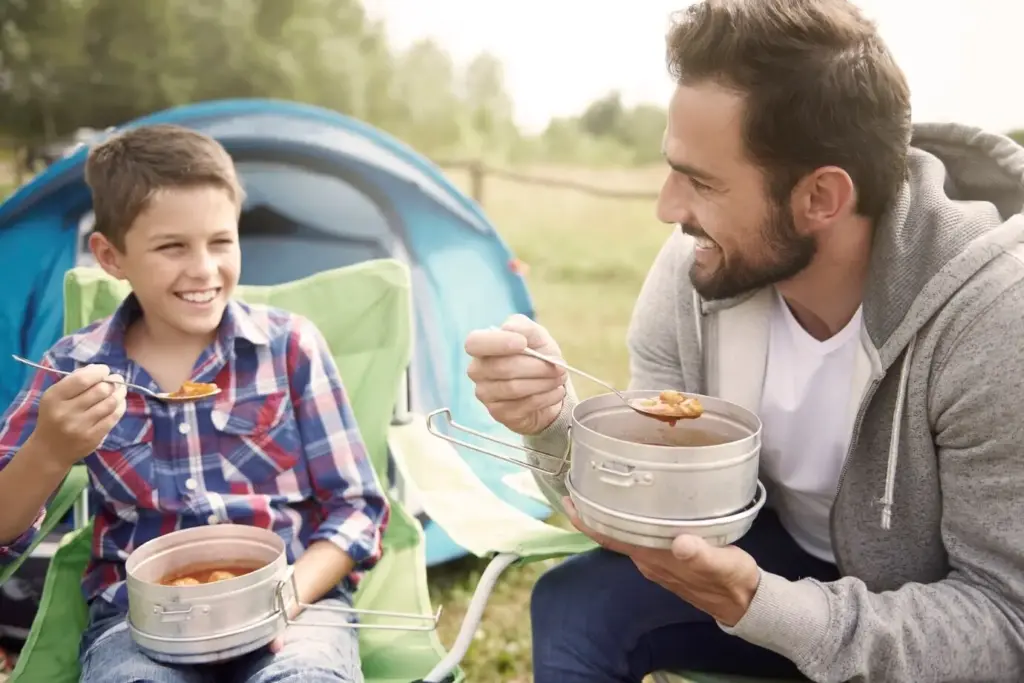
Consider a reliable two-burner stove, nesting pots, a lidded skillet, and a coffee system that sparks joy at sunrise. Use a clear bin for utensils, spices, oil, and a cutting board. Prep pancake mix at home. Add a collapsible sink, biodegradable soap, and a dish-drying bag to keep critters away. Practice one-pot dinners that translate later to backcountry cooking. Share your go-to family recipe so others can cook confidently outdoors.

Cold Food That Stays Cold

Match your cooler to trip length and budget: inexpensive models work for one night, while thick-walled rotomolded options stretch weekends. Freeze water bottles, pack pre-chilled food, and place ice high and low. Use separate drink and food coolers to reduce openings. Keep a temperature probe handy for confidence. Track what actually gets eaten. Post your best cooler hack or budget-friendly alternative to help families eat safely without overspending.

Weatherproof Shelter Strategy

Pair your tent with a taut tarp or canopy to create dry prep space and shade. Stake corners low, angle windward sides, and keep guylines visible with bright cordage. Use a footprint that matches the tent floor to prevent water pooling. Dry items immediately after showers pass. Keep a repair kit accessible. Share your storm routine so new campers learn how small changes—like guyline placement—turn blustery nights into cozy, memorable stories.

Trailward Steps: Transitioning to Hike-In Sites

When the family is ready to walk a little, weight matters, but comfort still counts. Start with short hikes to reservable, hike-in sites and borrow or rent lighter gear when possible. Track base weight, split group items fairly, and teach kids to choose one treasured luxury. Practice water treatment and leave-no-trace systems. Invite your kids to plan part of the route. Share your first hike-in distance and what you’d tweak next time.

01

Backpacks That Actually Fit Small Shoulders

Youth-specific packs with adjustable torsos keep load lifters functional and hip belts on hips, not bellies. Limit kid loads to snacks, water, jacket, and a beloved lightweight item. Let them pack their own bag with supervision, then do a gentle shakeout walk. Teach how to tighten straps progressively. Make breaks playful with trail games. Comment with a pack model or fitting tip that helped your child finish smiling instead of sagging.

02

Reduce Redundancy Without Losing Safety

Share group gear: one stove, one medium filter, one repair kit, one first aid kit, and one sturdy map. Trim extras like duplicate knives and excess clothes while keeping a warm layer and rain shell for everyone. Practice cooking and filtration at home to avoid trail confusion. Record what stayed unused. Create a “maybe” bin that stays in the car for backup. What’s your clever cut that saved weight without regret? Tell us.

03

Water Plans That Actually Work

Verify sources on maps and recent trip reports, then carry a backup purification option like tablets. Teach kids to gather from flowing water, avoid silty edges, and backflush filters. Pre-mark bottles by person to prevent mix-ups. For dry stretches, start with fuller reservoirs and plan early refills. Build a habit of drinking at stops. Share a hydration trick that kept morale high when the afternoon sun made everyone quiet and thirsty.

Ultralight Without the Drama: Calm, Capable Backcountry Kits

Lightweight can be friendly, durable, and warm when chosen deliberately. Focus on systems, not single items: lighter shelters, shared cook kits, quilts that layer, and smart clothing that dries fast. Weigh everything, test in safe conditions, and add back what comfort you truly miss. Keep morale items for kids. Prioritize safety margins over bragging rights. Post your most surprising gram-saving swap that never compromised warmth, nutrition, or smiles on the trail.

Lists that Grow with Your Kids

Great packing lists evolve. Start with a family master list, then create age-specific add-ons for layers, snacks, and entertainment. Color-code storage bags, label bins by system, and keep a running debrief after every trip. Replace what wore out, log seasonal swaps, and note climate quirks. Invite your children to choose one new responsibility each outing. Drop a comment with a list template or clever labeling trick that prevented forgetful chaos.

Value at Every Stage: Budget, Borrow, Buy

Spend where it matters, save where it doesn’t, and borrow when you’re still experimenting. Start with affordable gear that works locally, upgrade comfort items for car camps, and invest in light, durable backcountry essentials last. Explore rental programs, co-ops, and community swaps to test before buying. Track warranties and repair options. Tell us which purchase you’d repeat instantly and which you wish you had borrowed first to learn the truth.

Hunting for Good Used Gear

Set alerts on local marketplaces, co-op used sections, and community groups. Ask for detailed photos of zippers, floors, and burners. Prefer honest sellers who list repairs. Test stoves outside and pitch tents fully before paying. Clean and sanitize carefully. Keep a small contingency fund for inevitable fixes. Share a success story of a secondhand treasure that changed your family’s comfort level without draining your budget or adding unnecessary weight.
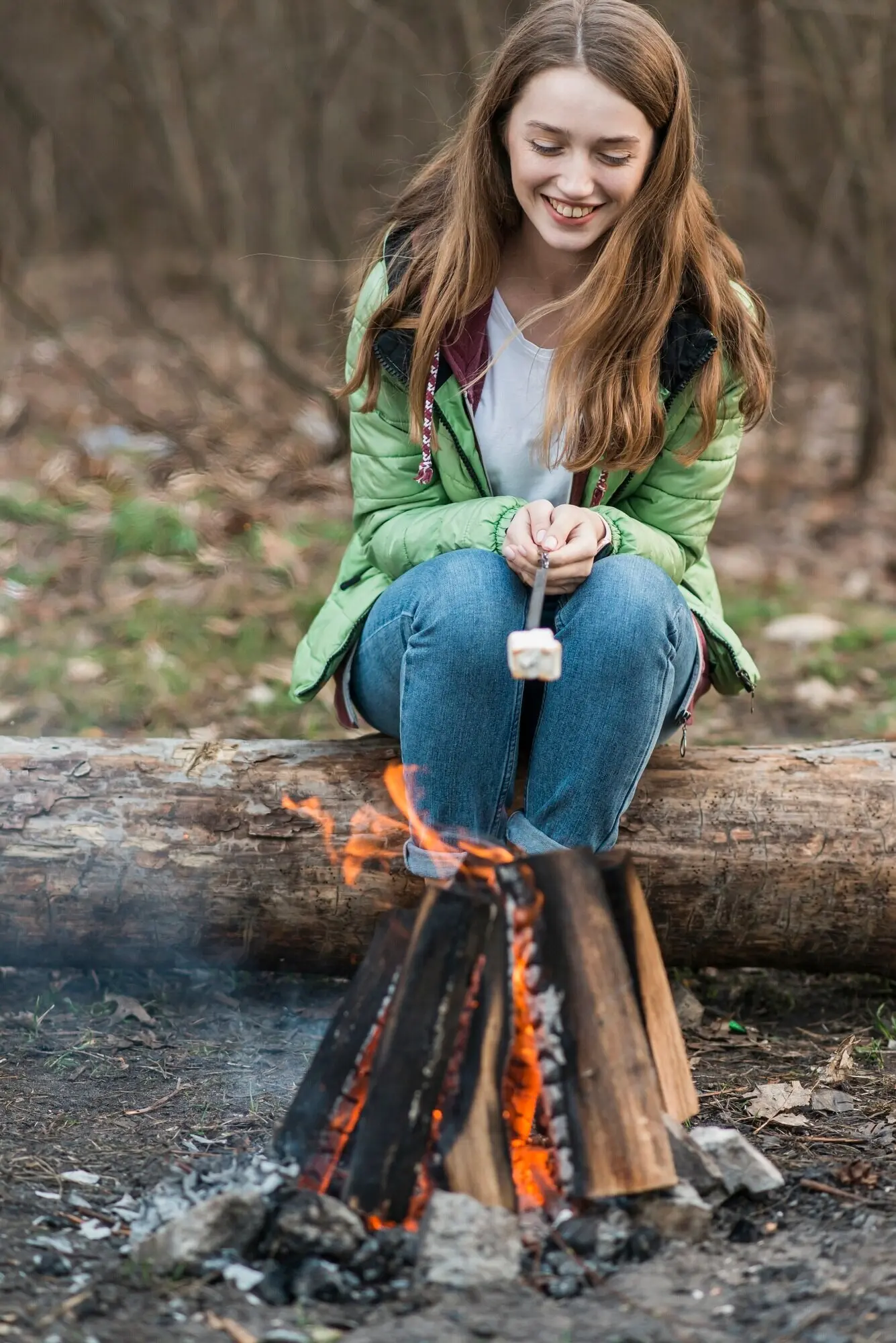
When Renting Makes More Sense

Rent for first-time backpacking trips, shoulder-season experiments, or when flying to distant parks where baggage adds cost and stress. Compare rental package lists against your needs and bring familiar small items to keep kids calm. Reserve early during peak weekends. Afterward, note what you loved and what felt fussy. Comment with a rental program you trust and a lesson learned that guided your next confident purchase decision without regret.
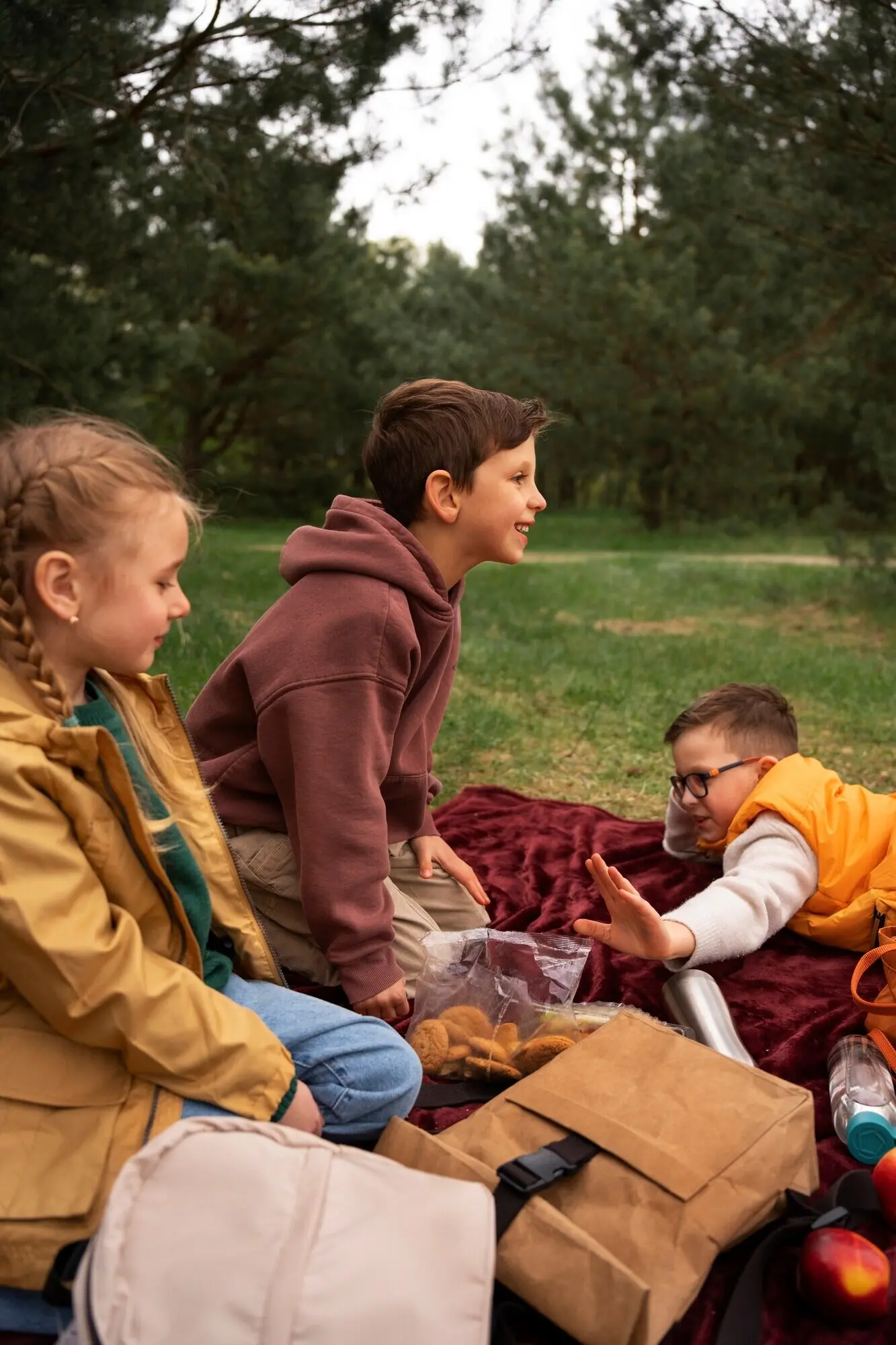
Buy-Once Pieces that Earn Their Keep

Invest in footwear that fits, sleeping pads with proven warmth, and rain shells that actually breathe. Choose a tent with durable floors and reliable zippers. Consider quilts or bags you can layer as kids grow. Prioritize repair-friendly brands and robust warranties. Spread purchases over seasons to watch for sales. Share a durable item that has survived years of family trips and why it beat cheaper alternatives in the long, muddy run.
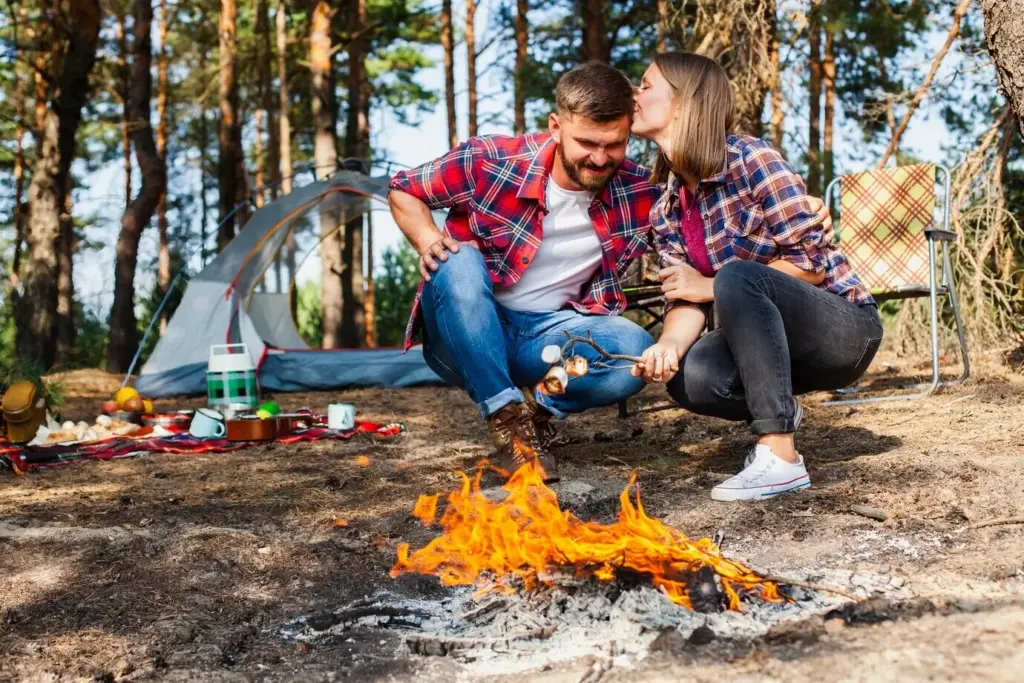
Stories from the Field: Tiny Wins that Change Everything

We misread the lawn schedule and woke to geysers drumming the fly. Because we had a drying line, spare towels, and stuff sacks, we turned chaos into comedy. The kids named the tent “Waterfall Cabin.” Now we always ask hosts, pitch away from heads, and keep the vent open for faster drying. Share your unexpected water encounter and the small preparation that kept everyone giggling instead of grumbling.
A missing spoon taught more than any checklist. We carved a quick utensil from a fallen branch, sanded it with a scouring pad, and stirred dinner proudly. The kids learned improvisation and tool safety. Our new rule: ultralight, long-handled spoons live in every pot. What improvisation saved your meal, and how did you turn a near-disaster into a campfire story your family still requests on rainy evenings?
Wind rattled the fly and rain hammered for hours, yet the night became legendary. We strung a small light, brewed cocoa, and played travel games while lightning marched far away. Because lines were taut and drainage checked, the tent held. Morning smiles were huge. Tell us your weather win and the pre-storm habits—like guyline angles and layered clothing—that transformed a long night into a cozy memory worth repeating.
Kaxalazezepolunuvi
Privacy Overview

This website uses cookies so that we can provide you with the best user experience possible. Cookie information is stored in your browser and performs functions such as recognising you when you return to our website and helping our team to understand which sections of the website you find most interesting and useful.