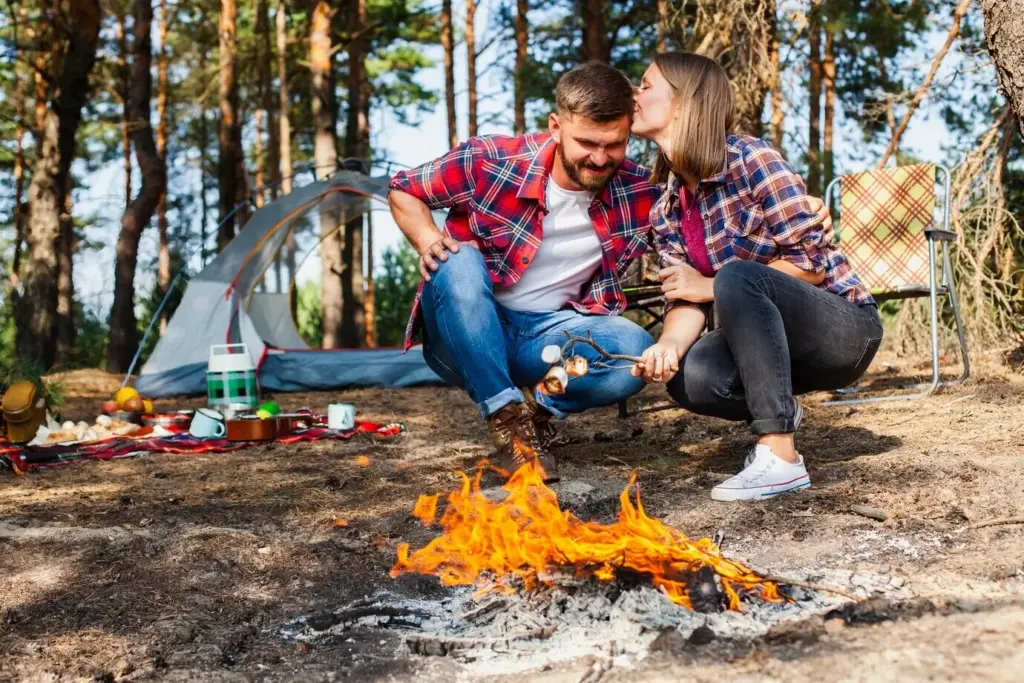
From Backyard Tents to Confident Trail Navigators

We’re diving into teaching outdoor skills to kids, guiding families from joyful tent pitching in the yard to calm, capable trail navigation. Expect practical steps, playful games, safety insights, and encouraging stories that help children build confidence, resilience, curiosity, and love for wild places while keeping adventures accessible, welcoming, and fun for every age.

Backyard Tent Adventures: Skill-Building at Home

{{SECTION_SUBTITLE}}

Kid-Friendly Gear Choices That Invite Success

Choose a tent that pitches quickly, fits kids’ height, and has color-coded parts to make steps obvious. Lightweight mallets, soft-ground stakes, and bright guylines reduce frustration. Involve kids in picking sleeping pads and simple headlamps so pride, ownership, and comfort grow together with their expanding skills and independence.

Turn Setup into a Playful Mission

Assign roles like Pole Captain, Stake Scout, and Rainfly Ranger, and watch teamwork bloom. Use a timer for a cheerful challenge, not pressure. Celebrate each step with high-fives, stories, and tiny discoveries, like finding the door faces sunrise, teaching orientation gently while keeping curiosity and joy at center stage.

Safety First, Adventure Always: Building Wise Habits

Safety is a friendly guide, not a stern boss. Kids can learn to observe hazards, ask clarifying questions, and choose wisely, turning caution into confidence. Teach the buddy system, boundaries they understand, and how to speak up. When caregivers model steady judgment, children mirror calm decisions and bring that steadiness onto every trail.

Navigation Foundations: Landmarks, Maps, and the First Compass

Navigation begins with noticing what was always there: a crooked oak, the sound of a creek, the angle of sunlight on a fence. From these anchors, maps and compasses become friendly tools. Kids learn directions through play, stories, and repetition, turning confusion into independence and calm decision-making when trails fork or fade.

What Goes in a Tiny Daypack: Kid-Sized Essentials

Involve kids in packing a whistle, water bottle, light snack, mini first-aid kit, sun hat, and a small, bright bandana. Explain the purpose of each item. Let them practice retrieving and replacing gear. Ownership makes preparedness memorable, and frequent repetition turns a backpack into a trusted companion rather than a mysterious burden.

Pacing Games: Micro-Missions and Rest Rhythms

Set playful goals: reach the next stump, count ten blue flowers, or walk silently for one minute to listen for birds. Celebrate pauses as victories, not failures. Teach kids to notice breathing and leg feelings. Rhythms learned on easy trails carry over, making longer routes feel achievable, friendly, and wonderfully repeatable.

Trail Signs and Blazes: Reading the Language of Paths

Turn blazes into a color-matching treasure hunt, and teach how symbols tell stories about direction, distance, and difficulty. Compare a posted map to what feet and eyes discover. Let kids point the way at junctions. Understanding signs transforms uncertainty into leadership opportunities and gently introduces responsibility shared across the whole group.

Weather, Night, and Resilience: Courage in Changing Conditions

{{SECTION_SUBTITLE}}

Cozy in the Rain: Layers, Dry Hands, and Happy Spirits

Show how base layers move sweat, mid-layers trap warmth, and shells block wind and drizzle. Play a raindrop listening game under the fly, then try a short, joyful walk. Hot cocoa afterward seals the memory. Kids learn that preparation beats gloom, and that comfort often begins with tiny, thoughtful choices made together.

Night Senses: Sound Maps and Glow-Stick Boundaries

Draw a simple map and mark the cricket chorus, the neighbor’s wind chime, and the dog a few houses over. Create a glow-stick perimeter kids can visualize. Move slowly, name feelings, and breathe together. Darkness becomes familiar rather than frightening, and children practice calm awareness that translates beautifully onto early-morning trailheads.

Community, Mentors, and the Next Step Forward

Progress accelerates when kids see peers and friendly guides modeling skills. Nature centers, youth programs, and local clubs offer gentle challenges and new friendships. Keep a log of distances, skills, and favorite moments. Celebrate milestones with patches or postcards. Invite family conversations about goals, seasons, and the next playful frontier together.

Skill Journals and Stickers: Make Growth Visible

Create a simple journal where children draw routes, tape leaf rubbings, and list new skills learned, like tying a taut-line hitch or following a bearing. Add stickers for milestones. Reviewing pages turns practice into pride, reminding kids that discipline and delight can live together, page by thoughtful page, season after season.

Finding Mentors, Clubs, and Friendly Events

Explore community calendars for guided hikes, map-and-compass workshops, or family nights at the nature center. Meet leaders, ask about age-appropriate routes, and start slowly. Mentors share quiet wisdom, safe shortcuts, and local stories that spark imagination. Connections formed outdoors often sustain curiosity long after the final marshmallow melts into memory.

Plan a First Simple Navigation Loop Together

Choose a park with clear landmarks and low complexity. Print a map, pack a compass, and plan a loop with backup options. Let kids lead, pause for snacks, and debrief afterward about decisions made. Invite them to draw the route at home, anchoring confidence through reflection, storytelling, and proud, shared accomplishment.

Kaxalazezepolunuvi
Privacy Overview

This website uses cookies so that we can provide you with the best user experience possible. Cookie information is stored in your browser and performs functions such as recognising you when you return to our website and helping our team to understand which sections of the website you find most interesting and useful.